
Homemade Creamy Pasta Sauce Recipe (Easy & Restaurant-Style)
Learn how to make homemade creamy pasta sauce recipe (Easy & Restaurant-Style) with garlic, parmesan, butter, and cream. Includes expert cooking tips, sauce variations, pasta pairings and many more.
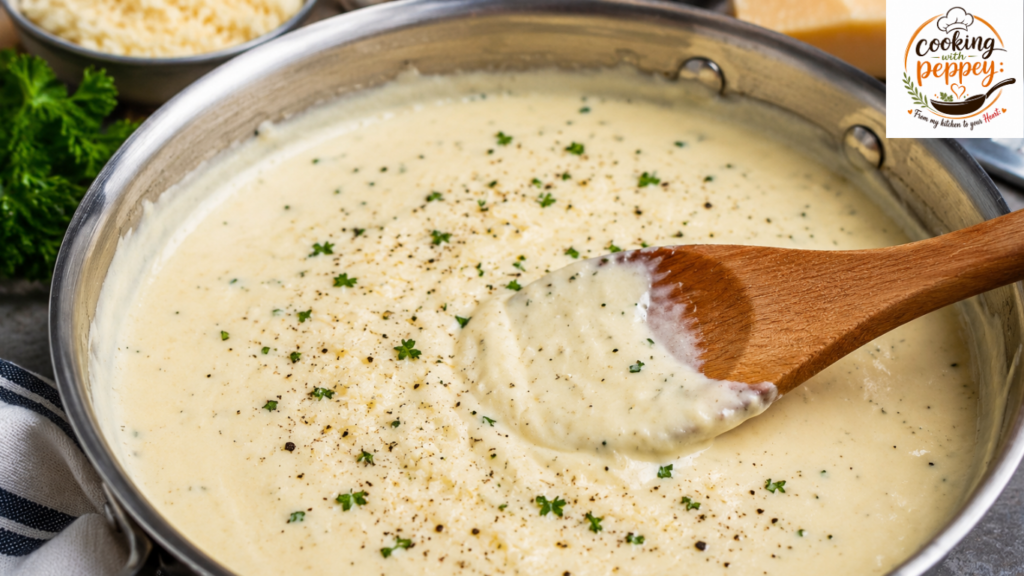
Homemade Creamy Pasta Sauce: The Difference Between Average Pasta and Restaurant-Style Pasta
A lot of homemade pasta dishes fail for one reason people rarely talk about:
the sauce doesn’t cling to the pasta properly.
It either turns watery, overly thick, greasy, grainy, or bland. And once the sauce goes wrong, even perfectly cooked pasta can taste disappointing.
That’s why homemade creamy pasta sauce continues to rank among the most searched comfort food recipes online. A properly made cream sauce changes everything:
- richer flavor
- smoother texture
- better pasta coating
- restaurant-style presentation
- more satisfying meals
The best creamy sauces aren’t complicated. They rely on balance, heat control, and layering flavor correctly.
In this guide, you’ll learn:
- how to make homemade creamy pasta sauce
- ingredients that actually matter
- how restaurants achieve silky texture
- common mistakes that ruin cream sauces
- healthier substitutions
- best pasta pairings
- flavor variations
- one-pot cooking tips
- storage and reheating advice
If you want creamy pasta sauce that tastes smooth, rich, balanced, and genuinely homemade instead of processed, this recipe explains exactly how to do it.
What Is Homemade Creamy Pasta Sauce?
Homemade creamy pasta sauce is typically made with:
- butter
- garlic
- cream
- cheese
- broth or pasta water
Unlike jarred sauces, homemade versions allow full control over:
- texture
- seasoning
- richness
- ingredients
- thickness
The sauce can also be customized into:
- garlic parmesan sauce
- Alfredo sauce
- mushroom cream sauce
- Cajun cream sauce
- tomato cream sauce
That flexibility is one reason creamy pasta sauces remain so popular in home kitchens.
Why Homemade Creamy Pasta Sauce Tastes Better
Store-bought sauces often contain:
- preservatives
- stabilizers
- excess sodium
- added sugars
Homemade sauce tastes fresher because the ingredients haven’t been sitting on shelves for months.
Fresh garlic, butter, parmesan, and cream create layers of flavor that processed sauces usually can’t match.
Key Ingredients for Homemade Creamy Pasta Sauce
Essential Ingredients
| Ingredient | Purpose |
|---|---|
| Butter | Richness and flavor base |
| Garlic | Savory depth |
| Heavy cream | Smooth texture |
| Parmesan cheese | Saltiness and umami |
| Pasta water | Natural thickening |
| Black pepper | Balance and mild heat |
Each ingredient plays an important role.
Skipping pasta water, for example, is one of the biggest reasons homemade sauces fail to coat pasta properly.
Best Cheese for Creamy Pasta Sauce
Cheese changes both flavor and texture dramatically.
Best Cheese Choices
- parmesan
- pecorino romano
- mozzarella
- asiago
Parmesan cheese is the most popular option because it melts smoothly while adding a rich, nutty flavor.
Freshly grated cheese always melts better than pre-shredded cheese.
How to Make Homemade Creamy Pasta Sauce
Step 1: Melt Butter Slowly
- Start with butter over medium-low heat.
- Rushing this stage can burn the milk solids and affect flavor.
Step 2: Cook Fresh Garlic
- Add minced garlic and cook until fragrant.
- Fresh garlic creates sharper, deeper flavor than garlic powder.
- Avoid browning it too much because burnt garlic becomes bitter quickly.
Step 3: Add Cream Carefully
- Pour in heavy cream gradually.
- The sauce should simmer gently, not boil aggressively. High heat can cause separation.
Step 4: Add Parmesan Slowly
- Reduce heat before adding cheese.
- Mix continuously until smooth. The sauce should become:
- silky
- glossy
- creamy
- not thick and gluey.
Step 5: Add Pasta Water
Reserved pasta water helps:
- emulsify the sauce
- improve texture
- help sauce cling to pasta
This is one of the biggest restaurant cooking secrets.
Why Restaurant Cream Sauces Taste Better
Many people assume restaurants simply use more cream and butter. In reality, professional kitchens focus more on technique.
They Build Flavor in Layers
Restaurants season:
- butter
- garlic
- pasta water
- cheese
- protein
throughout the cooking process.
That creates deeper flavor than seasoning only at the end.
They Don’t Over-Thicken the Sauce
Good cream sauce lightly coats pasta instead of sitting heavily underneath it.
Best Pasta Types for Creamy Sauce
Different pasta shapes hold sauce differently.
Best Pasta Pairings
| Pasta Shape | Why It Works |
|---|---|
| Fettuccine | Holds creamy sauce evenly |
| Penne | Traps sauce inside tubes |
| Rigatoni | Works well with thicker sauces |
| Linguine | Smooth texture pairing |
| Fusilli | Twists catch extra sauce |
Fettuccine is commonly paired with creamy sauces because wide noodles carry rich texture beautifully.
Healthier Homemade Creamy Pasta Sauce Options
You can lighten creamy pasta sauce without losing flavor.
Smart Ingredient Swaps
| Regular Ingredient | Healthier Alternative |
|---|---|
| Heavy cream | Greek yogurt |
| Butter | Olive oil |
| Full-fat cheese | Reduced-fat parmesan |
| Regular pasta | Whole wheat pasta |
Greek yogurt works surprisingly well because it adds protein and tanginess.
Best Proteins for Creamy Pasta Sauce
Chicken
The most versatile option.
Shrimp
Pairs especially well with garlic cream sauce.
Salmon
Excellent with dill or lemon cream sauces.
Italian Sausage
Adds spice and richness.
How to Store Creamy Pasta Sauce
Refrigerator
Store in airtight containers for 3–4 days.
Freezer
Freeze for up to 2 months. The texture may separate slightly after thawing.
Best Way to Reheat Cream Sauce
Reheat slowly over low heat.
Add:
- milk
- cream
- broth
to restore smooth texture.
High heat often causes splitting.
Expert Tip for Better Creamy Pasta Sauce
The sauce should usually look slightly thinner than you think it should.
Why?
Because pasta absorbs sauce quickly after mixing.
A sauce that looks perfect in the pan often becomes too thick on the plate five minutes later.
Professional cooks account for this before serving, and that single adjustment creates dramatically better texture.
Nutrition Facts (Approximate Per Serving)
| Nutrient | Amount |
|---|---|
| Calories | 420 |
| Protein | 12g |
| Carbohydrates | 38g |
| Fat | 25g |
| Fiber | 3g |
Nutrition values vary depending on:
- cheese quantity
- cream type
- pasta choice
- added proteins
Frequently Asked Questions
What is the best cream for pasta sauce?
Heavy cream works best because it resists curdling and creates silky texture.
Why is my homemade cream sauce grainy?
Usually because:
- cheese was added too quickly
- heat was too high
- sauce boiled aggressively
Can I make creamy pasta sauce without cream?
Yes. Greek yogurt, milk, or cream cheese can work as substitutes.
Which cheese melts best in pasta sauce?
Fresh parmesan melts smoothly and adds strong flavor.
Can creamy pasta sauce be frozen?
Yes, although the texture may separate slightly after thawing.
Why does restaurant pasta taste smoother?
Restaurants use:
- pasta water
- emulsification
- fresh cheese
- careful heat control
to achieve silky texture.
Final Thoughts
Homemade creamy pasta sauce doesn’t need complicated ingredients or professional cooking skills. The real difference comes from using simple ingredients correctly and paying attention to heat, texture, and timing.
Small details like adding pasta water, using freshly grated cheese, and avoiding high heat can completely change the final result.
Once you learn the basics, you can easily create restaurant-style pasta at home that tastes rich, smooth, and full of flavor. Whether you keep it classic with parmesan or experiment with proteins and vegetables, a good creamy sauce can turn an ordinary pasta dinner into something truly comforting and satisfying.